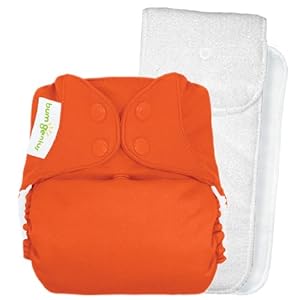
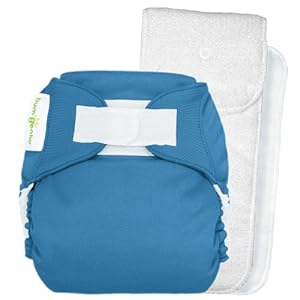
The Great Debate: Velcro vs. Snaps

bumGenius One-Size Hook & Loop Closure Cloth Diaper 4.0bumGenius One-Size Snap Closure Cloth Diaper 4.0


When I started cloth diapering, I ordered all my covers with Velcro closures.

The advantages of Velcro closures on cloth diapers:
  • Similar to disposable diapers, which makes for an easier transition if you are switching from disposable to cloth
  • Fast to fasten and unfasten
  • Very adjustable -- easy and fast to get the right fit. This is important because babies vary widely in their chunkiness (thigh size in particular)
So those are the plusses. But after a while, those Velcro tabs got on my nerves.


EWG's 2012 Shopper's Guide to Pesticides in Produce


EWG updates this their Shopper's Guide to Pesticides in Produce every year based on tests for pesticide residue conducted by the USDA and FDA.  EWG specifically highlights "The Dirty Dozen," produce likely to have a higher level of pesticide residue, which they recommend avoiding or purchasing organic. They produce with the least residue is termed "The Clean Fifteen." If you can't afford to purchase all organic produce, this guide can help you prioritize which produce to buy organic. I now shop for almost all my produce through the farmer's market and my CSA, but when I first started going green, I picked and chose what to buy organic. I felt fine about buying conventional onions and melons, but only bought organic greens, grapes, and berries. It helped with the sticker shock.

The 2012 Dirty Dozen:
  • apples
  • celery
  • sweet bell peppers
  • peaches
  • strawberries
  • nectarines (imported)
  • grapes
  • spinach
  • lettuce
  • cucumbers
  • blueberries (domestic)
  • potatoes

The Poop Report: Diapering and Pottying at 7 Months

Unbleached prefold inside a Thirsties cover: my current preferred
method for cloth diapering my 7-month-old baby.

Potty
My 7-month-old baby uses the potty every morning to go #1 and #2. Her diaper is often dry after naps, and I put her on the potty then and at other times of the day if I feel like it. She rarely poops in her diaper. I haven't had to change a poopy diaper for at least a week. The conventional wisdom -- that children can't be potty trained until 2 or 3 years -- is still so ingrained in my mind, that the novelty and thrill of my baby doing her business in the potty has not worn off, even though we've been doing this for 2+ months.

Cloth Diapers
My favorite cloth diaper choice at the moment: unbleached prefold (in thirds) inside a Thirsties cover. But she's growing out of the small, and my medium size Thirsties covers are pretty shot after heavy use by two other children. After consulting with the good people at Jillian's Drawers, I have ordered some Flip covers, because they have snap closures, and a flap to hold the prefold. The new Thirsties-duo covers have a snap closure, but don't have the flap I know and love. I'll let you know how I like the Flip covers. Unbleached prefold inside a waterproof cover is my preferred diaper on-the-go as well.

10 Green Choices that Prevent Child Injuries


According to the National Institutes of Health, "accidents are, by far, the leading cause of death among children and adolescents." June is Child Safety Awareness month and I've been looking over child safety guidelines from folks like the CDC, NIH, and the AAP. I thought I'd highlight some of the simple steps you can take to both live greener and prevent accidents involving your children.


Use non-toxic cleaners. Ingestion of household cleaners is a leading cause of poisoning among children, and poisoning is one of the top five types of accidental death among children (in addition to auto accident, drowning, fire, and falls). If you don't use caustic cleaners, you don't have to worry about locking them in a high cabinet out of reach of your small children. In fact, one of the big benefits of using green cleaners is that it's safe for your children to help you with the cleaning. Click here for tips for identifying a green cleaner. A simple one: avoid cleaners with the label "DANGER." 

It's Too Darn Hot

numbers,symbols,temperatures,thermometers,weather,mercury levels,concepts


It's hot.

We hit 94 last week, and will creep even closer to 100 later this week. I am currently making milk, and that makes me feel very warm. When I'm nursing, I am most comfortable around 60 degrees. When it's 90, it feels like 105 to me. Anything above 75, and I'm uncomfortable. Over 85, and I feel like I'm melting. I have no A/C.

Milk-making + 90-plus temperature + no A/C =
Don't you dare turn on that oven

Read more at The Green Phone Booth

Getting the Most Out of Your Farmer’s Market


I love shopping at the farmer's market! In fact, the farmer's market is the only place I shop for food on a weekly basis. I buy most of my produce there. Looking for a farmer's market in your area? Check localharvest.org.


Shopping at the Farmer's Market: Eco-novice's Top Ten Tips

Shop at the right time of day. If you want the best prices, go shortly before the close of the market, when farmers are often willing to haggle, especially if you buy a large amount. If you want the best selection, go in the morning. Which brings me to my next point...

Find out what time the market really opens. Officially, my farmer's market opens at 9 am and closes at 1 pm each Saturday. After shopping there for nearly a year, I found out that almost all the farmers showed up by 7 am in the summer, and 8 am in the winter. Before I figured this out, by the time I showed up at 9 am or 10 am, farmers were often out of items they had in limited quantity. Now I go at 8 am, especially if raspberries are in season.


Does Your Sunscreen Protect Against Skin Cancer?


Hello, June! School's almost out and the temperature is rising. It's time to hit the beach. Most of the time we opt for covering up over wearing sunscreen when spending time in the sun, but for long outdoor adventures, we use sunscreen.

Environmental Working Group has released its 6th Annual Sunscreen Guide. Let's review the main reasons you need to consult this guide:

Flame Retardants: Toxic, Ineffective, Everywhere


The more I learn about synthetic flame retardant chemicals, the happier I am about all the effort I've put into avoiding products that contain them. The Chicago Tribune has been running a fascinating series about flame retardants called Playing with Fire.

Here are 10 interesting takeaways from the Chicago Tribune's coverage of flame retardants (indented passages are quotations from Chicago Tribune articles):


1. Flame retardants cause more harm than good. The evidence regarding the harmful effects of flame retardants is much more extensive and reliable than the evidence for the benefits. Flame retardant chemicals have been linked to neurological deficits, developmental problems, impaired fertility and other health risks.
[S]cientists at the U.S. Consumer Product Safety Commission have determined that the flame retardants in household furniture aren't effective, and some pose unnecessary health risks. (source)
The bottom line: Household furniture often contains enough chemicals to pose health threats but not enough to stem fires — "the worst of both possible worlds," [fire scientist Vytenis Babrauskas] said. (source)

CONNECT WITH ME


© 2008-2020 Eco-novice: Going Green Gradually All Rights Reserved

Copyright © Eco-novice | Powered by Blogger

Design by Anders Noren | Blogger Theme by NewBloggerThemes.com